Look at the whole space.
The window leading to a catio. The activity area around a rabbit shelter. The path to a garden bed. The structure is part of a setup, not the whole answer.
The cat at the window. The hens waiting in the morning. A few leaves ready to pick. Fernstead is a name for the spaces around these everyday moments.
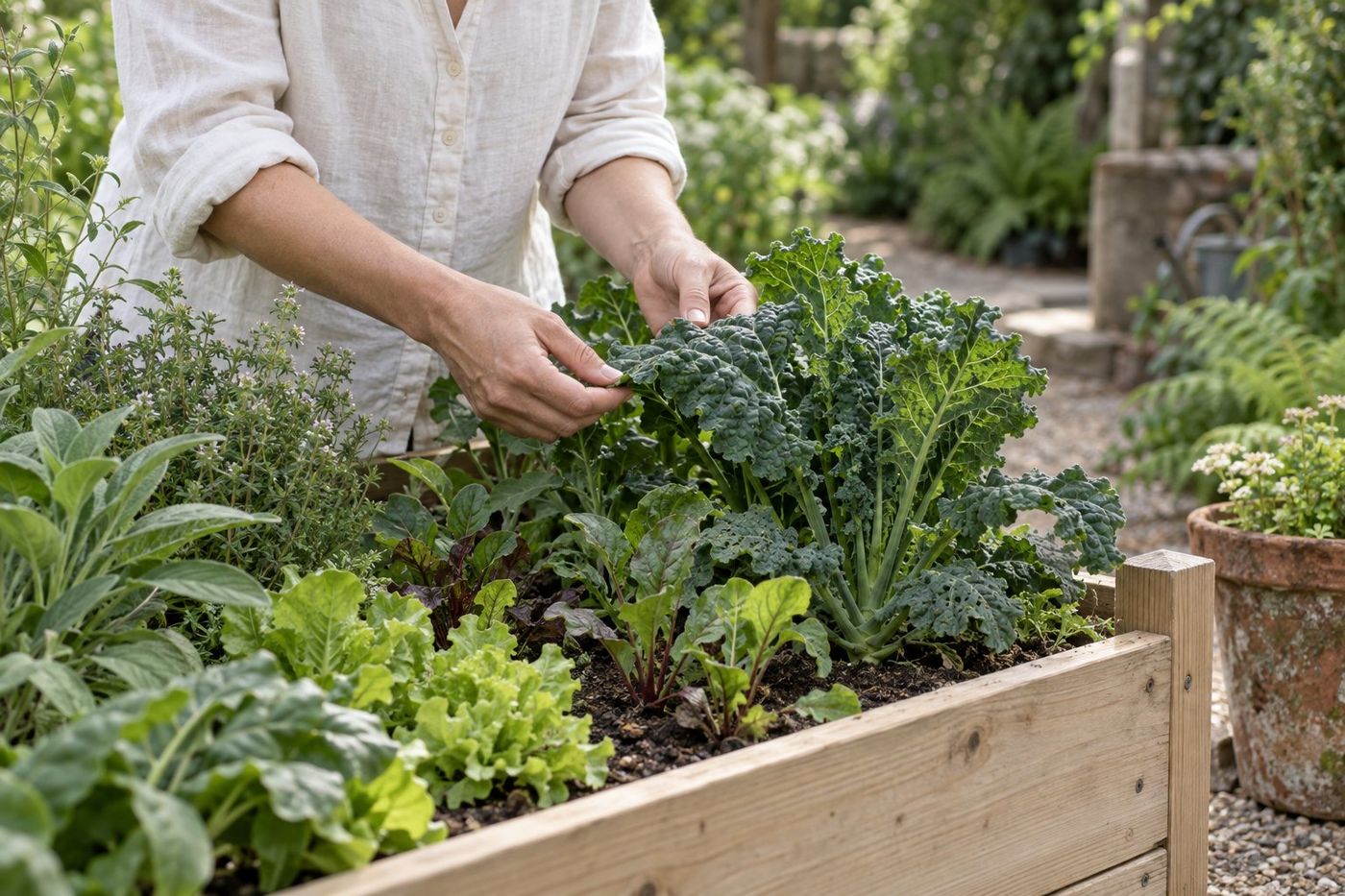
It is the bowl you refill before work. The door you check before bed. The first leaf you pick for dinner.
Fernstead brings animal spaces and growing spaces into the same garden — and now a bird cabinet for the living room and a tool cabinet for the work itself. Each has a different job. They share a simple starting point: the people who care for them every day.
The story of Fernstead ↗Fern speaks to green things. Stead speaks to a home and the ground around it. The name leaves room for plants and animals, without asking them to need the same things.
The window leading to a catio. The activity area around a rabbit shelter. The path to a garden bed. The structure is part of a setup, not the whole answer.
Cleaning a corner, closing a latch, reaching a leaf. We want the collection to be judged by these practical questions, as well as how it looks beside your home.
Dimensions, material information, construction details and model-specific guidance help people choose. Styled images can show a possibility; they cannot prove performance.
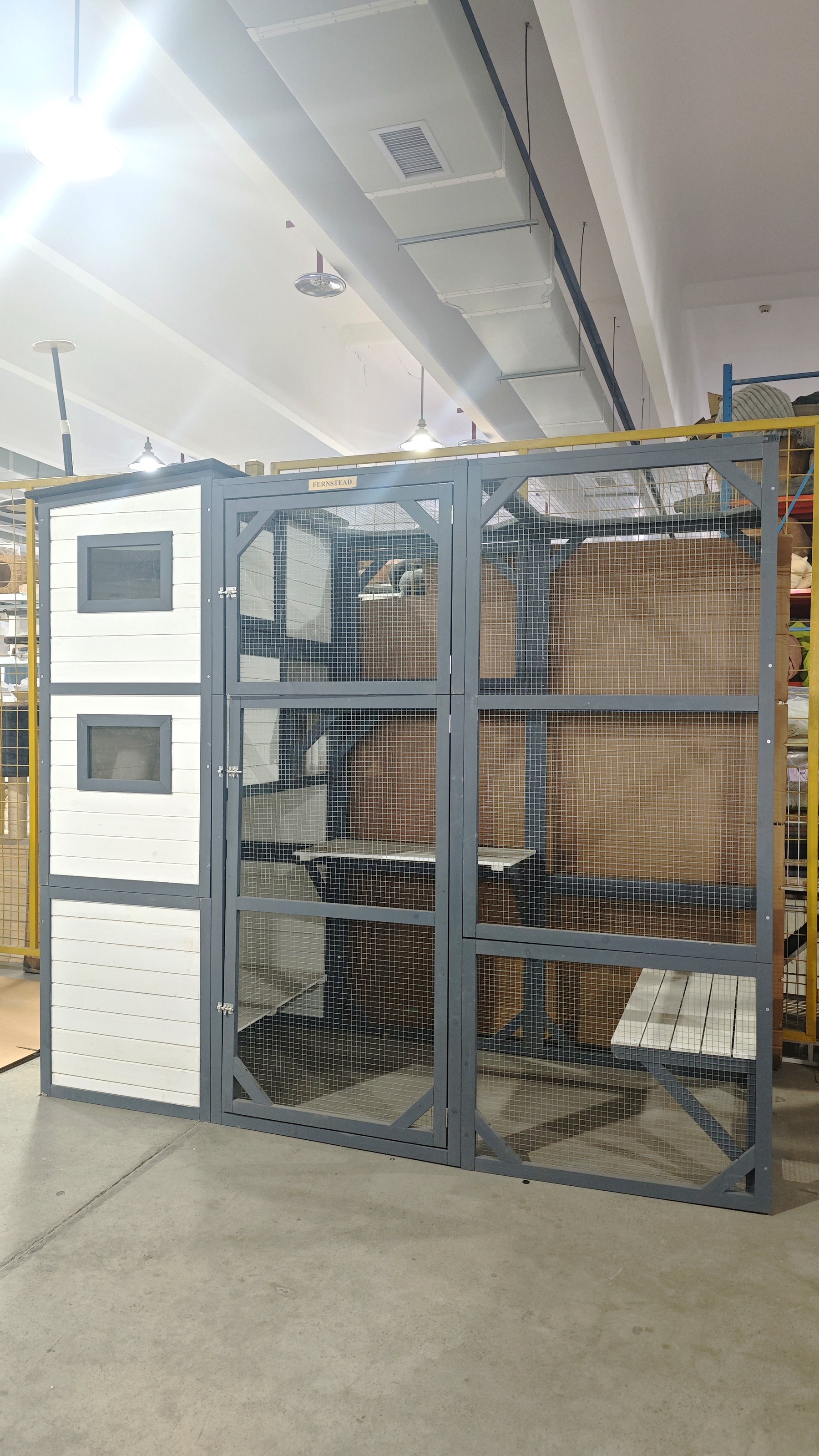 Workshop reference · Catio
This workshop reference shows a different stage from the styled collection images. It is useful for a simple reason: you can look at the structure itself.
Look where the mesh meets the frame, where panels join and how doors close. Ask for the specification behind the surface.
Open it. Reach inside. Picture the tools you use to clean. Practical access matters long after the first photograph.
Final dimensions, materials, assembly instructions and supported uses need to match the actual model. Concept imagery is not a performance test.